
An Ohio village of less than 5,000 people became the epicenter of an EPA disaster. On February 3rd (2023) a Norfolk Southern train with 150 cars derailed on the outskirts of East Palestine, Ohio. East Palestine is approximately 90 miles from metro Cleveland and 50 miles from metro Pittsburgh. Eleven cars containing hazardous materials were a part of the derailment. The EPA along with multiple local, state and national offices immediately began working to remove the contaminated soil and water.
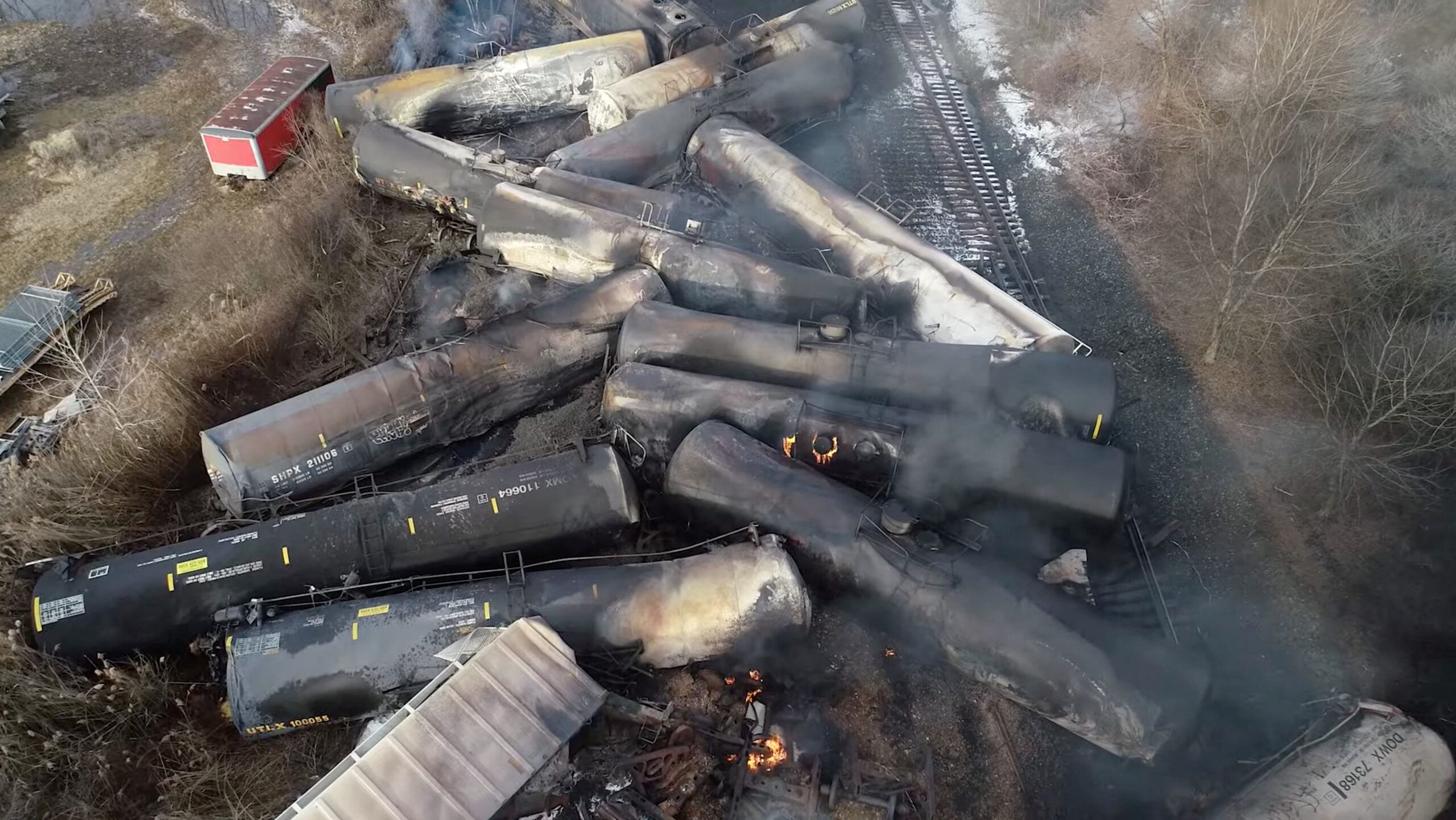
The US is averaging a hazardous material spill on land and waterways every day and a half impacting residents, natural resources, and property values. This statistic does not consider intended and naturally occurring contaminations from mineral extraction, flooding, illegal dumping, and agricultural chemical use.
Contaminated property can pose significant health, financial, and legal risks. Working with experienced professionals, including environmental consultants, attorneys, and appraisers, can help to develop a comprehensive plan for remediation and minimize the impact of the contamination. Although the EPA and federal government are tracking contaminants to humans, the impact of depreciation to property values before and after remediation are not specifically quantified and can affect the use and development of the property.
Valuing contaminated property can be a complex process that requires a specialized understanding of environmental regulations, remediation costs, and market conditions.
- The cost approach considers the cost of cleaning up the contamination and restoring the property to a usable condition.
- The sales comparison approach compares the contaminated property to similar properties that have sold in the same market. The appraiser adjusts the sale prices of comparable properties based on the extent and type of contamination and other factors, such as location and property condition, to estimate the value of the contaminated property.
- The income approach is used for income-producing properties, whereby the appraiser estimates the potential income that the property could generate if it were not contaminated, and then subtracts the costs of remediation and other expenses to arrive at an estimated value.
In addition to these three approaches, appraisers may also consider other factors, such as the property’s zoning, development potential, and legal liabilities, when valuing contaminated property. Valuing contaminated property can be challenging due to the complexity and uncertainty involved in estimating remediation costs and other factors. Thus, it’s important to work with an appraiser who has experience and expertise in valuing contaminated properties.
FRG’s appraisers have extensive experience valuing contaminated properties, as well as completing due diligence. For almost ten years, FRG has assisted the state of Ohio in identifying the owners of abandoned underground storage tanks (e.g. fuel tanks) who are responsible for removal of the tanks and as needed remediation efforts.
So, remember, if you buy contaminated property, you might be responsible for the remediation of the property. The extent and type of remediation required will depend on the nature and extent of the contamination, as well as any regulatory requirements. Be informed and seek professional help before you buy.
 The Center for Disease Control and Prevention (CDC) extended the federal moratorium on rental evictions due to a tenant’s failure to pay rent through June 30, 2021. This decision is both good and bad.